Zirconium Crowns in Turkey
Zirconium crowns are a widely used dental restoration — strong, natural-looking, and appropriate in specific clinical situations. This guide explains what they are, when they are the right choice, and what to understand before requesting treatment.
Understanding Zirconium Crowns
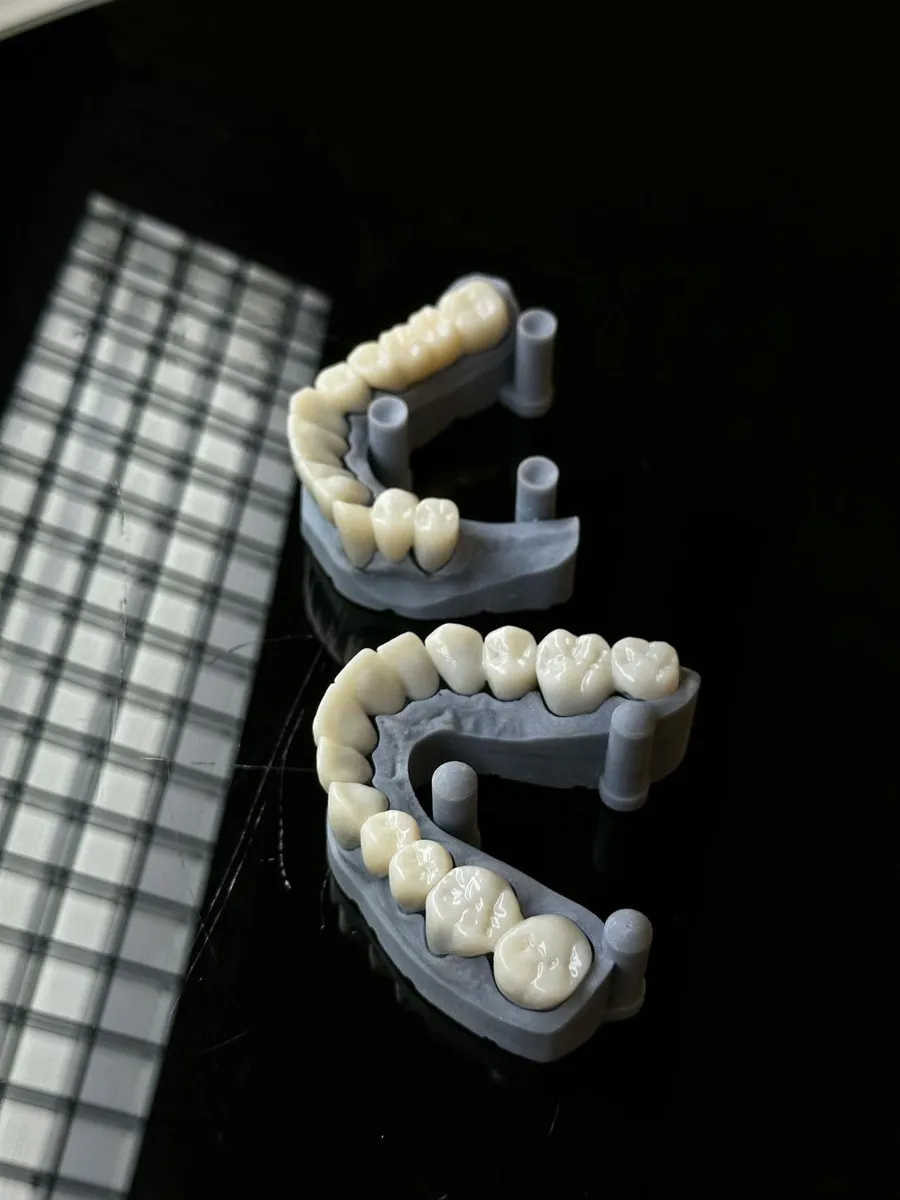
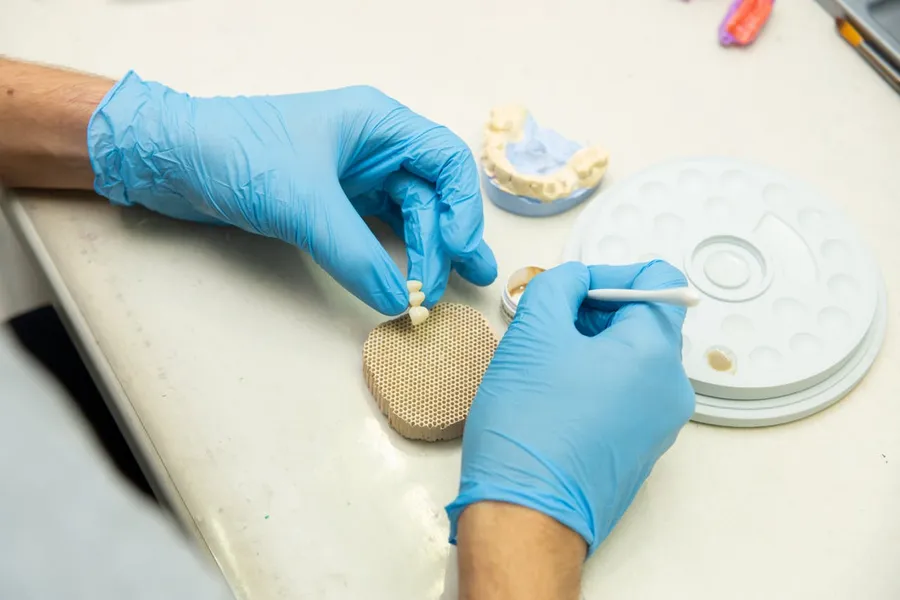
A zirconium crown — or zirconia crown — is a full-coverage dental restoration made from zirconium dioxide, a highly durable ceramic material. The crown is custom-fabricated in a dental laboratory to match the shape and shade of your existing teeth, then cemented permanently onto a prepared tooth.
Zirconia has several clinical advantages over older crown materials. It is tooth-coloured, which makes it aesthetically superior to metal or metal-fused-to-porcelain crowns. It is exceptionally strong — more resistant to fracture than older all-ceramic materials. And it is biocompatible, meaning it is generally well tolerated by gum tissue without causing irritation.
Zirconium crowns have become the most commonly offered crown material in Turkey due to their combination of aesthetics, durability, and competitive pricing. However, the material choice is only one part of the equation — the clinical indication for placing a crown at all is equally important.
When Are Crowns Clinically Recommended?
Crowns are not simply a cosmetic option — they are a restorative treatment for teeth that have structural problems a veneer or filling cannot adequately address. Understanding when a crown is clinically indicated (and when it is not) is important for any patient researching dental treatment.
Clinically appropriate situations for crowns generally involve teeth that are structurally compromised in some way. The relevant question to ask any clinician is: why is a crown necessary for this specific tooth?
Crowns are commonly indicated when a tooth:
Note: This list is educational. Only a registered dentist can determine crown suitability following a clinical examination.
Crowns vs Veneers: The Essential Difference
| Factor | Veneer | Crown |
|---|---|---|
| Coverage | Front surface only | Entire tooth (all sides) |
| Tooth Reduction | Minimal (0.3–0.7mm) | Significant (all-round reduction) |
| Clinical Indication | Cosmetic improvement on healthy teeth | Structural restoration of compromised teeth |
| Reversibility | Irreversible but conservative | Irreversible and more invasive |
| Strength | Sufficient for front teeth cosmetics | Higher structural strength |
| Best For | Colour, shape, minor chips on healthy teeth | Damaged, filled, or root-treated teeth |
For a deeper exploration of this topic, read our full veneers guide.
Full-Mouth Crown Treatments Explained
Some patients — typically those with a long history of dental treatment, significant decay across multiple teeth, worn dentition from grinding, or numerous root-treated teeth — may be candidates for crowns across a large number of teeth, sometimes referred to as a "full-mouth reconstruction."
Full-mouth reconstruction is a significant clinical undertaking. It involves detailed assessment of bite (occlusion), careful planning of the vertical dimension (the height at which your upper and lower teeth meet), and sequential treatment to ensure function and comfort are maintained throughout.
This is a very different situation to placing crowns on otherwise healthy teeth for cosmetic purposes. In a true full-mouth reconstruction, the clinical justification for treating each tooth with a crown should be clear and documented.
If you are being advised to have a large number of crowns but your teeth are mostly intact and untreated, this warrants careful questioning. Seek a second clinical opinion before agreeing to extensive irreversible treatment.
The Risks of Unnecessary Tooth Reduction
Placing crowns on teeth that do not clinically require them carries real, permanent consequences that patients should understand before agreeing to treatment.
Permanent Loss of Healthy Tooth Structure
The natural tooth enamel and dentine removed during crown preparation cannot be restored. Once a tooth is prepared for a crown, it is permanently dependent on a crown for protection.
Increased Risk of Nerve Damage
Reducing a tooth for a crown brings the preparation closer to the pulp (nerve). In some cases — particularly younger patients with larger pulps — this can increase the risk of the tooth requiring root canal treatment in the future.
Long-Term Maintenance Commitment
Crowns do not last forever. They may need to be replaced after 10–20 years. Each replacement involves further clinical work and potential complications. The more teeth that are crowned unnecessarily, the greater the long-term maintenance burden.
Complications from Poor Treatment Planning
Crown work carried out without proper bite assessment or planning can affect how your upper and lower teeth meet, potentially leading to discomfort, jaw issues, or problems with the restorations themselves.
The key question to ask before any crown treatment:
"Is this crown being recommended because this tooth genuinely needs it, or could a veneer or other conservative approach achieve the same outcome?"
What Affects the Cost of Crowns in Turkey?
Number of Crowns
The primary cost driver. Crown treatment is priced per tooth, so the number of teeth being crowned directly determines the total cost.
Zirconia Material Quality
Different zirconia formulations exist, varying in translucency and strength. High-translucency zirconia, which looks more natural, may carry a premium over standard zirconia.
Laboratory and Craftsmanship
The ceramic laboratory producing the crowns affects both appearance and longevity. Clinics using in-house milling or premium external labs reflect this in their pricing.
Preparatory and Supporting Treatments
X-rays, extractions, gum treatment, or temporary crowns required before final placement may be additional items in a treatment plan.
Upper vs Lower Jaw
Some clinics price upper and lower separately, particularly for full-arch treatments. Ensure your quote specifies which teeth are included.
Travel and Stays
Full crown treatments may require a minimum of 5–7 days. Budget accordingly for flights, accommodation, and transfers as part of your total calculation.
See our treatment price guide for more on how to compare quotes effectively.
Zirconium Crowns in Turkey: Common Questions
Interested in Crown Treatment in Turkey?
Submit a free treatment request. Suitable clinics will review your case and may prepare a personalised quote — no obligation.
No obligation · No upfront cost · GDPR compliant